
New Course!
We are pleased to announce a new online course intended for informal science education professionals to build your evaluation competencies. Evaluation in Informal Science Settings equips you with the knowledge and practical skills needed to effectively evaluate programs and exhibits. Whether you are new to evaluation or looking to strengthen your existing expertise, this course provides practical tools and guidance to support your success. By the end of course, you will:
Understand the purpose, types, and importance of evaluation in informal learning environments.
Articulate program goals, write measurable outcomes, and develop logic models.
Design ethical evaluation plans and select appropriate data collection methods.
Collect, analyze, and interpret both qualitative and quantitative data.
Communicate evaluation findings effectively to diverse audiences using reports, visualizations, and alternative formats.
Foster an organizational culture that values evaluation and supports continuous learning.
Sign up to learn about next year’s course offering!
The Fall 2026 cohort is currently closed. Future offerings of the course will have a standard rate of $688/person and will be offered:
February 1, 2027 (Winter cohort)
June 7, 2027 (Summer cohort)
Sign up here to be notified when enrollment for the next cohort begins in early 2027.
Interested in enrolling more than one person from your institution? Contact us for more information on group rates!

What’s Included
-
✺
Dozens of self-paced lessons you can watch anytime
-
✺
Hands-on practice you can immediately apply to your job
-
✺
Live sessions with the Inform Evaluation & Research team
-
✺
Reference sheets, templates, and links to additional resources
-
✺
Opportunities to post on discussion boards and ask questions
-
✺
Video interviews with informal science educators and evaluators
Course Structure
The course is organized into a series of self-paced lessons that combine video instruction, activities, and handouts. Throughout the course, you'll encounter scenarios and examples drawn from authentic real-world contexts, allowing you to connect what you are learning to your own projects. As you progress through the content, you'll build your knowledge step by step while completing practical exercises that reinforce key concepts and help you develop confidence in using new skills.
Still have questions? Feel free to contact us!
-
Get acquainted with the course structure, expectations, and community.
Module content includes:
Course Overview
What to Expect
Course Cohort
-
Explore the fundamentals of evaluation in informal education, common types of evaluation, the major steps in the evaluation process, and how evaluation differs from research and other forms of assessment.
Module content includes:
What is Evaluation
Evaluation in Informal Settings
Purpose of Evaluation
Types of Evaluation
Exhibit vs Program Evaluation
Evaluation Process
Deep Dive Conversation: Introduction to Evaluation
-
Learn how to define program outcomes and use logic models and related tools, such as outputs, indicators, and impacts, to plan and evaluate programs or exhibits.
Module content includes:
Revisiting the Evaluation Process
Introduction to Logic Models
Inputs and Activities
Outputs
Outcomes
Impacts
Building a Logic Model
Deep Dive Conversation: Understanding Your Program or Exhibit
-
Discover how to design effective evaluation plans and write clear guiding questions. This module also explores ethics, when IRB review may be required, and how to select appropriate data collection methods.
Module content includes:
Evaluation Planning Template
Planning an Evaluation
Evaluation Collaborators
Evaluation Questions
Methods Overview
Ethics, Consent, and IRB
Deep Dive Conversation: Planning Your Evaluation
-
Explore a range of data collection methods, including surveys, interviews, focus groups, observations, and non-traditional methods, and learn to choose approaches that best fit your evaluation questions and goals, while also experimenting with innovative, non-traditional tools to design effective, high-quality data collection strategies.
Module content includes:
Methods Decision Making
Writing Survey Questions
Survey Design
Observational Data Collection
Interviews and Focus Groups
Participatory methods
Deep Dive Conversation: Data Collection Methods
-
Develop skills in collecting, analyzing, and interpreting qualitative and quantitative data, including designing qualitative tools, conducting basic statistical analyses, and understanding key concepts like descriptive vs. inferential statistics and deductive vs. inductive coding.
Module content includes:
Quantitative Data
Descriptive Statistics
Inferential Statistics
Qualitative Data
How to Analyze Qualitative Data
Deep Dive Conversation: Data analysis
-
Discover how to communicate evaluation results effectively, including writing reports, using alternative formats, interpreting findings, and applying data visualization to tailor clear, engaging presentations for different audiences.
Module content includes:
Meaning making
Data visualization
Designing for Your Audience
Modes of Communicating Results
Features of an Evaluation Report
Deep Dive Conversation: Meaning Making and Communicating Results
-
Explore real examples of how institutions have successfully fostered a culture of evaluation and learn strategies for engaging colleagues to build buy-in.
Module content includes:
What is an Evaluation Culture
Cultivating an evaluation culture
Internal vs external evaluation
Challenges of Developing an Evaluation Culture
Deep Dive Conversation: Supporting an evaluation culture
-
Reflect on your course journey and bring everything into focus.
Module content includes:
Course Wrap Up
Meet Your Instructors
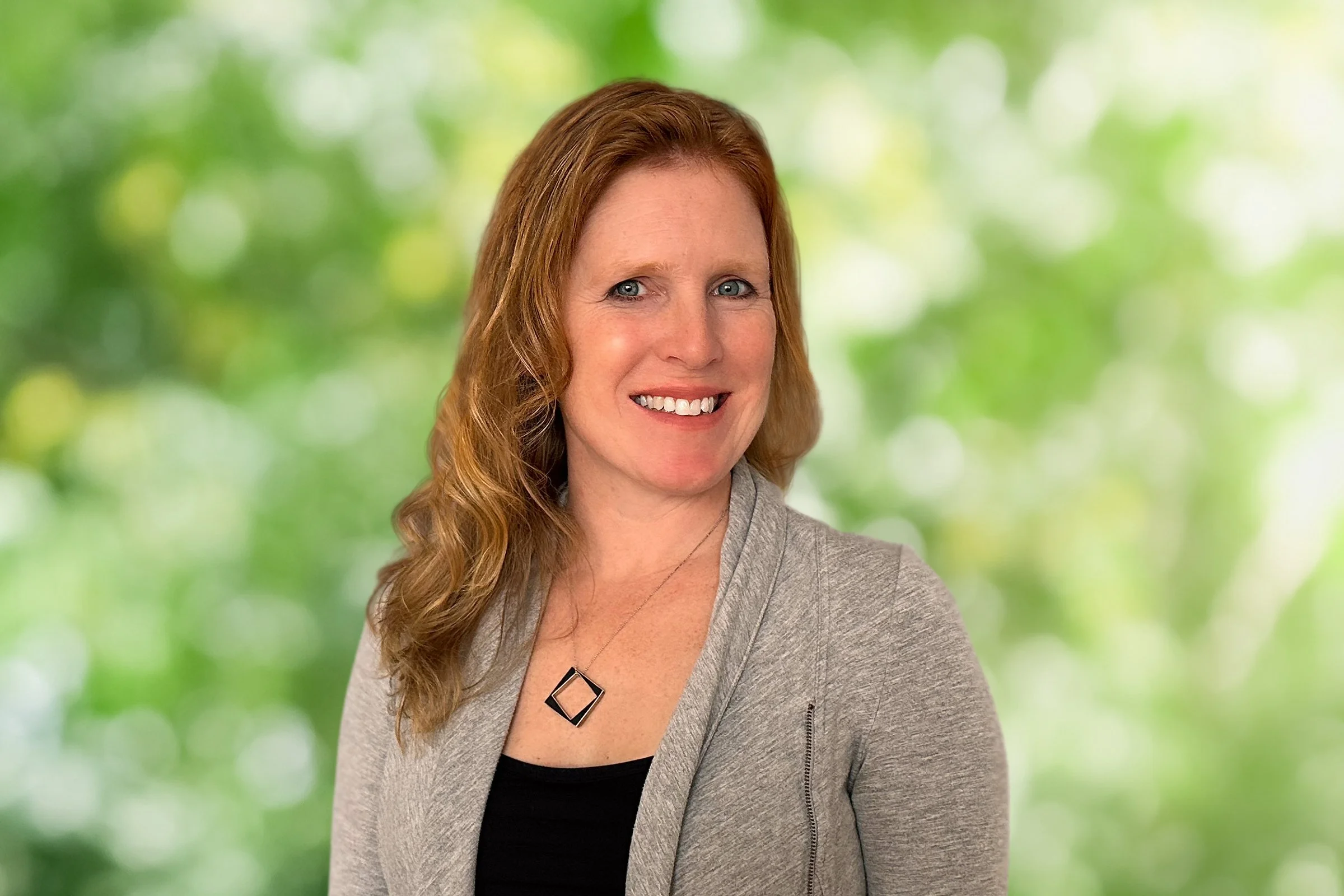
Joy Kubarek, Ph.D.
Joy (she/her) brings more than 20 years of experience in science and environmental education, with a focus on evaluation, research, and capacity building in informal learning settings. Her work has supported science and environmental learning organizations across the U.S. in using evaluation to strengthen programs, improve learning experiences, and better understand impact.
Joy established a department dedicated to the evaluation and research of learning programs at the Shedd Aquarium in Chicago, Illinois. She has also taught undergraduate and graduate courses at Tufts University and Antioch University New England, and has served on the boards of several professional organizations, including the National Association for Research in Science Teaching and the Association of Zoos and Aquariums. She has presented nationally and internationally on research in informal science education.
Joy holds a B.S. in Biology from the University of Minnesota Twin Cities, an M.Ed. in Environmental Education from the University of Minnesota Duluth, and a Ph.D. in Science Education from the Illinois Institute of Technology.

Brian Johnson, Ph.D.
Brian (he/him) brings more than 30 years of experience helping people connect with nature in meaningful ways, with a focus on conservation, education, and evaluation. His work centers on helping organizations understand what makes a difference and use evaluation to design learning experiences that are equitable, evidence-based, and inspiring.
Brian previously served as Director of Educational Research and Evaluation at the Wildlife Conservation Society, where he led the evaluation unit across WCS’s New York City zoos and aquarium. In that role, he guided studies on informal STEM learning, exhibit experiences, and long-term youth outcomes. He has also led community-based environmental education at an urban nature center and managed national conservation education initiatives with Botanic Gardens Conservation International.
Brian holds a B.S. in Journalism from Northwestern University, an M.S. in Environmental Education from Lesley University, and a Ph.D. in Environmental Studies from Antioch University New England.
Your Questions, Answered!
(But if we missed something and you still have questions, don’t hesitate to contact us!)
-
As an introductory offer, you get access to the course and all of the associated resources for $525 USD. (After the fall 2026 course, the cost will be $688 USD.)
Tax exempt organizations are eligible to receive a refund for any tax paid (where applicable) when enrolling.
-
This course is entirely self-paced and also offers three live sessions with Inform team members. The dates and times for the live sessions will be announced at the start of each course offering and will be recorded for those who cannot attend.
-
The course features over 9 hours of video instruction and a wide range of practical application activities. To get the most from the experience and fully engage with the materials, we recommend allowing 6 to 8 weeks for completion.
-
The course content will be available for at least 4 months during your enrollment period (e.g. September 1st course start date has access through December).
-
No! There are no prerequisites to this course. Regardless of whether you’ve never evaluated anything in the past or integrated evaluation into your work, you’ll benefit from this course!
-
Registering with a group? If two or more participants enroll in the course together, you’ll receive a 20% discount on your registration fee. Please contact us at info@informeval.com for more information.
-
Absolutely! We’ve done evaluation capacity building with teams throughout the United States and would love to work with yours! Please contact us at info@informeval.com for more information.
-
We are proud of the quality and value of this course and the learning experience it provides. Because all course materials become immediately accessible upon purchase, all sales are final, and we do not offer refunds. We encourage you to review all course information before enrolling and reach out with any questions beforehand.
-
While the content is generally geared toward those who work in informal science contexts, staff at other learning organizations are welcome to enroll. Examples shared in the course are typically science and conservation-focused, but the overall principles of evaluation you will learn apply no matter where you work.
What Previous Course Participants Say
“Joy and Brian are warm and friendly. The experience was highly engaging for me and I don't exaggerate when I say it resulted in a complete 180 for me on my feelings towards evaluation. This course actually has me excited to cultivate a culture of evaluation at work.”
“Building capacity for evaluation at an informal learning organization can sometimes be a daunting task. Inform has done a fantastic job in creating engaging and informative training modules that can help train staff on how to evaluate, what to evaluate, when to evaluate, and the impact that evaluation can have on your organization as a whole. I am looking forward to utilizing what I learned and sharing that knowledge with my colleagues. I highly recommend this training series for professionals looking to begin their evaluation journey, experienced evaluators looking to hone their skills, and organizations looking to build capacity.”