
San Diego Zoo Wildlife Alliance
San Diego, California
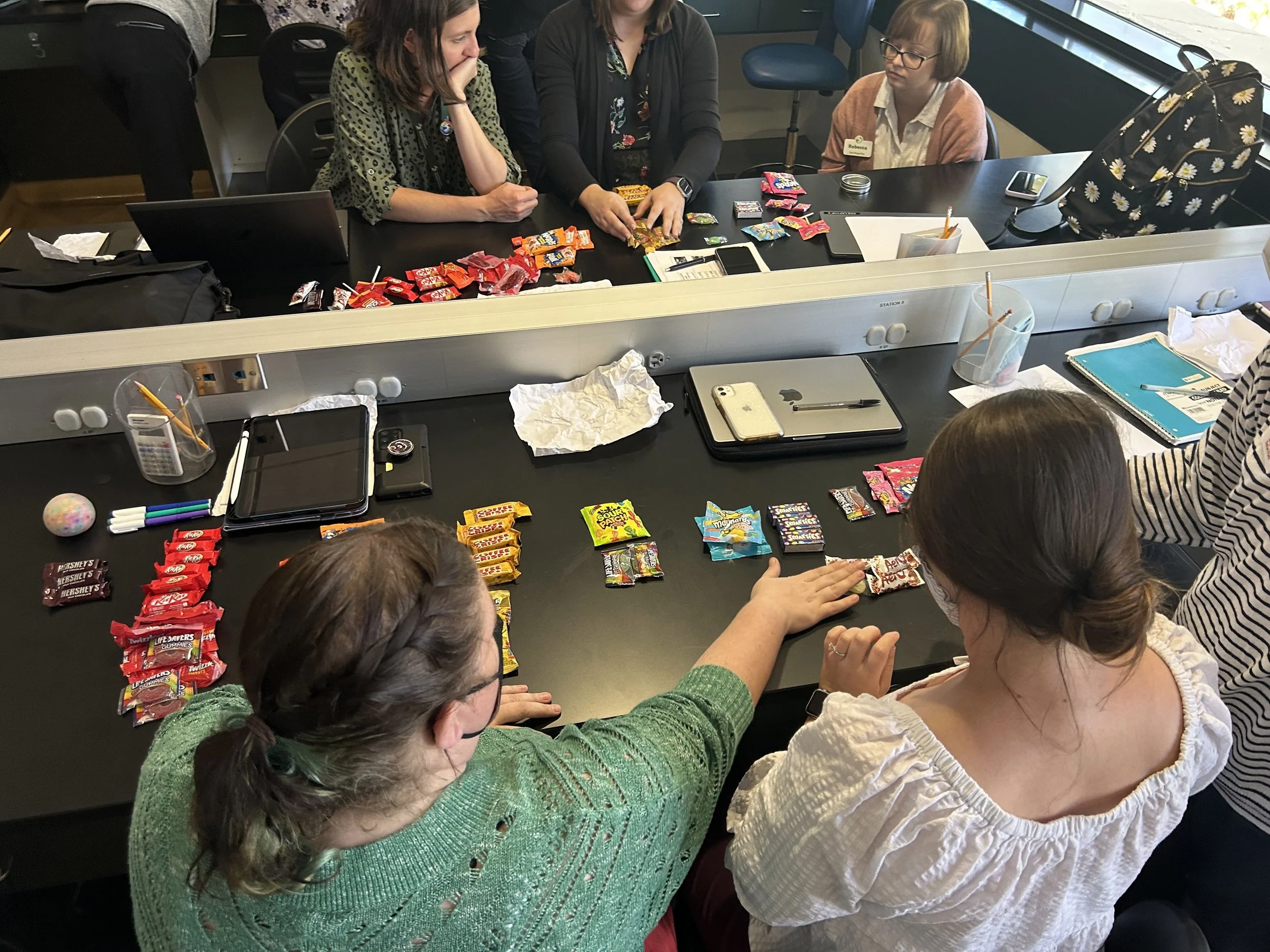
This two-and-a-half year effort supported by the Institute for Museum and Library Services (IMLS) brought together more than 40 education staff from the San Diego Zoo Wildlife Alliance to build their evaluation knowledge and skills. We facilitated a range of activities including:
A series of in-person and virtual workshops
Leadership meetings
Coaching sessions with staff
Developing evaluation system components and protocols
Providing technical support to revamp existing practices
Creating tools and resources to support staff
Evaluation Capacity Building (IMLS)
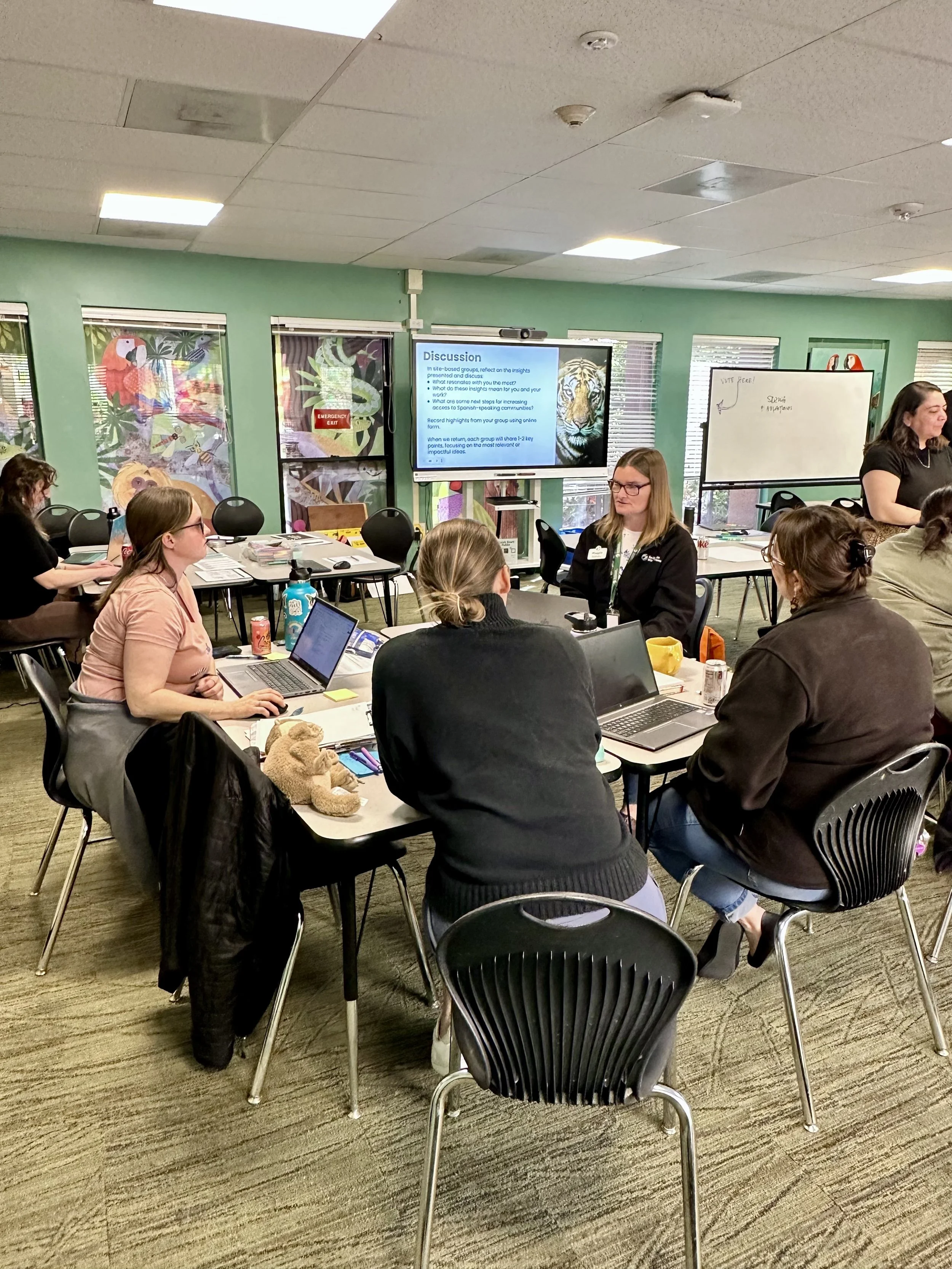
The San Diego Zoo Wildlife Alliance was looking to gather insights from the San Diegans about what educational programs and initiatives would be of the greatest value and relevance. The goal was to paint a clearer picture of the STEM learning landscape in San Diego County and where there were gaps to fill. This effort was designed to not only inform the Alliance about how best to focus their resources, but also to provide a tool for other STEM providers in the area. We implemented the following activities over the course of a year:
Participatory asset mapping sessions with community members and teachers
Community organization interviews
San Diego County panel survey
Teacher survey
School administrator survey and interviews
Student questionnaire
Caretaker interviews
Literature review
Community Needs Assessment
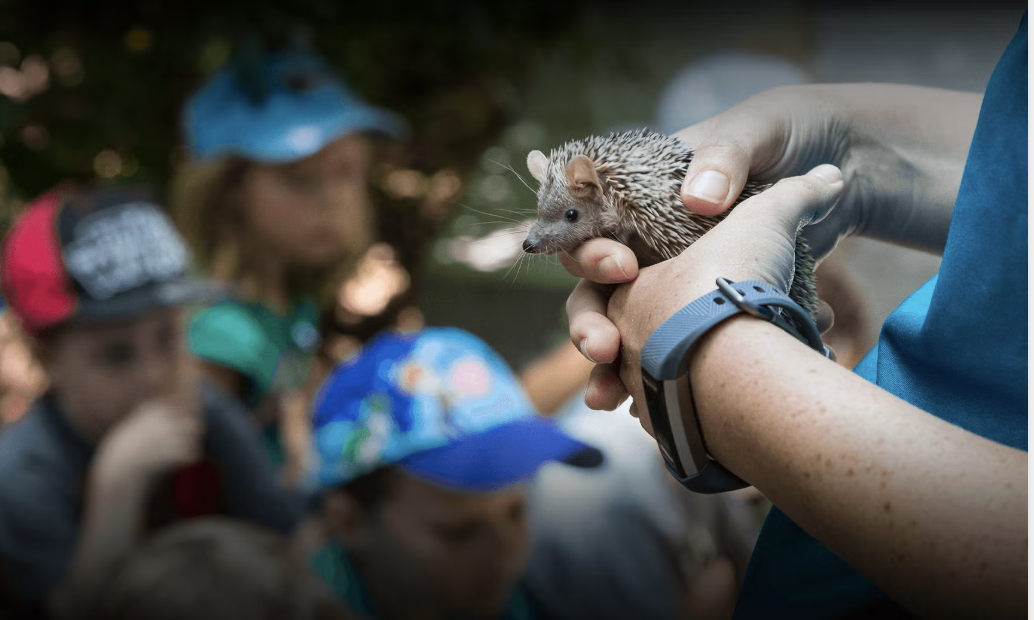
Wild at Heart is an inquiry-based, social-emotional learning (SEL) program to engage kindergarten and first-grade students in a two-part experience focused on generating curiosity and care for wildlife and each other. Students participate in an interactive classroom program at their school and a guided field trip to the San Diego Zoo. The program was funded by the Institute for Library and Museum Services (IMLS) over the course of four years. The first year of the program was treated as a pilot year and we conducted focus groups with participating teachers to help inform subsequent years of implementation. The following two years were treated as formative evaluation with ongoing monitoring of student outcomes and teacher feedback. The last year of the program was a summative evaluation to encapsulate the final program design and outcomes. Data collection methods included:
Teacher surveys
Teacher focus groups
Embedded assessments with students